
Textiles & Weaving
The Shepherds of Pag and the Lace That Won UNESCO
On a windswept Croatian island where almost nothing grows, women have been making a lace so fine it was once used as currency. UNESCO listed it in 2009. The waiting list is now three years long.

Pag is a stone. The Croatian island sits off the Dalmatian coast like a long, bleached vertebra — limestone karst, hardly any soil, hardly any trees, hardly any rain. What it has is wind, salt, sheep, and one of the most refined needle-lace traditions in Europe.
Paška čipka is made entirely with a single thread and a single needle. There is no fabric beneath, no loom, no pattern paper. The lacemaker holds the work in her left hand against a hard cushion — traditionally a polenta sack stuffed with horsehair — and lays the thread in figures of eight, knot by knot. A handkerchief-sized panel takes around 120 hours. A bridal collar takes a year.
What makes Pag lace different from Burano, Brussels or Honiton is that it descends directly from a Renaissance pattern book — the 1557 Le Pompe — that washed up on Pag, probably with Venetian traders, and stayed. The motifs the women still work in 2026 are recognisably the motifs of 1557. There are no surviving lace traditions in Europe with such a direct, unbroken pedigree.
I spend two afternoons in the courtyard of the Lacemakers' School in Pag Town, a Habsburg-era foundation re-founded in 1995 by a group of women who realised — correctly — that the tradition was on the edge of disappearing. There are now eighteen master lacemakers active on the island, the youngest 38 years old, the oldest 84.
Marija Pavlović, 72, lets me sit beside her. She holds the work close to her chest, not to her eye. "The eye does not learn," she says. "The fingers learn." Her granddaughter Lucija, 19, sits opposite. Lucija studies marine biology in Zadar and comes home to Pag every weekend. She has been making lace since she was eleven.
Pag lace is expensive — a small panel sells for around €600, a piece large enough to frame for over €4,000. The price is what the work is, but it is also a quiet act of protest. "We are not making souvenirs," Marija tells me. "If a tourist wants to spend twelve euros, the gift shop on the harbour is two streets that way. We are making heirlooms."
UNESCO inscribed paška čipka on the Representative List of Intangible Cultural Heritage in 2009. The school now runs three-year apprenticeships funded by the Croatian Ministry of Culture and, since 2023, by an EU heritage fund. There are 41 women on the waiting list.
I leave with a piece of lace the size of a postcard. I will not say what I paid for it. But it is in a frame in my office now, and on the days I write badly I look at it and remember that somewhere on a limestone island, a woman with eighty-four-year-old fingers can still make a knot smaller than the head of a pin.
Keep reading
 Textiles & Weaving
Isle of Harris, Scotland
Harris Tweed: The Island That Weaves Itself
On the Outer Hebrides, the only fabric in the world protected by an Act of Parliament is still woven on pedal looms in croft sheds. We spent a week with the weavers of Lewis.
 Textiles & Weaving
Sacatepéquez, Guatemala
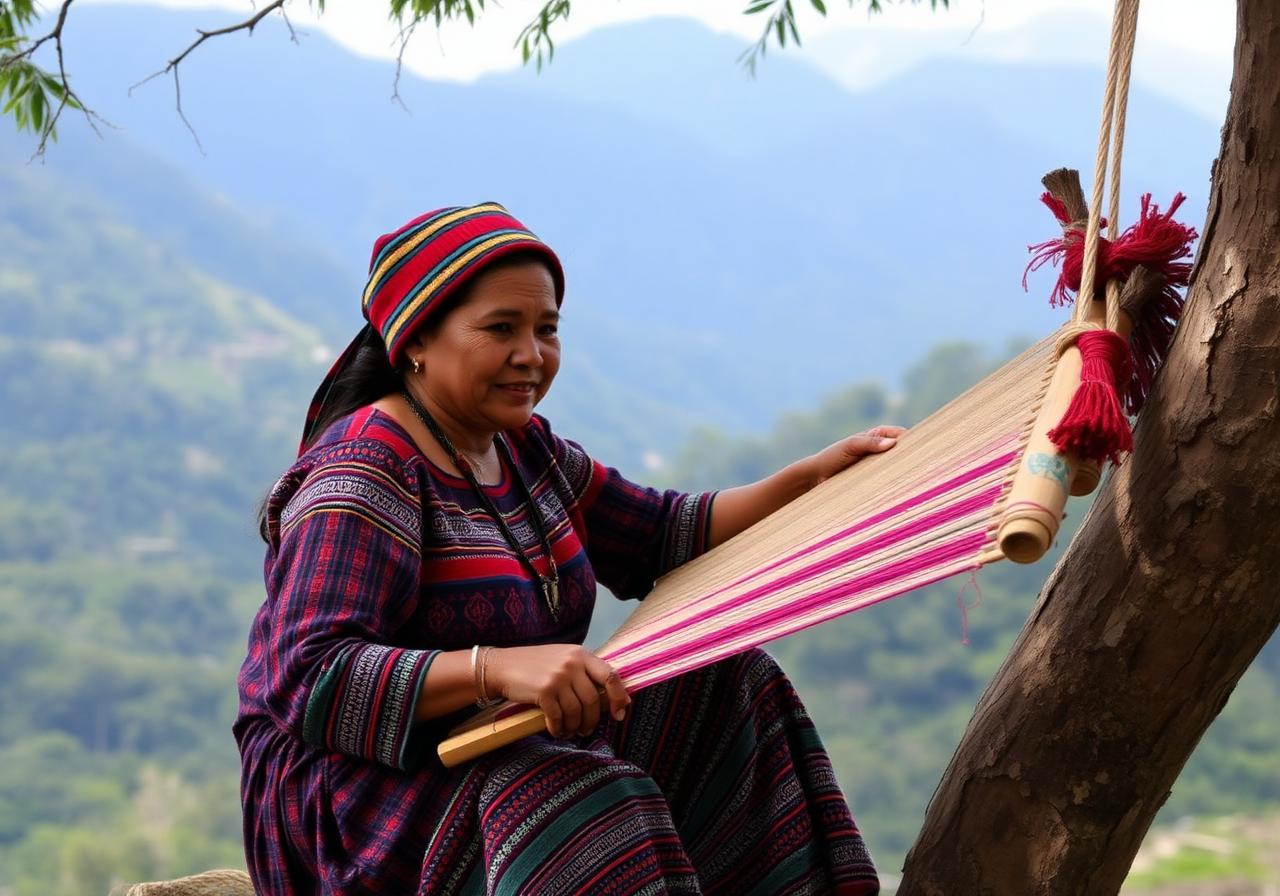
Threads of Heritage: Mayan Backstrap Weaving in Guatemala
In the Guatemalan highlands, Mayan backstrap weavers turn cotton into cosmology — and into a quiet political act of refusing to disappear.
 Textiles & Weaving
Nibutani, Hokkaido
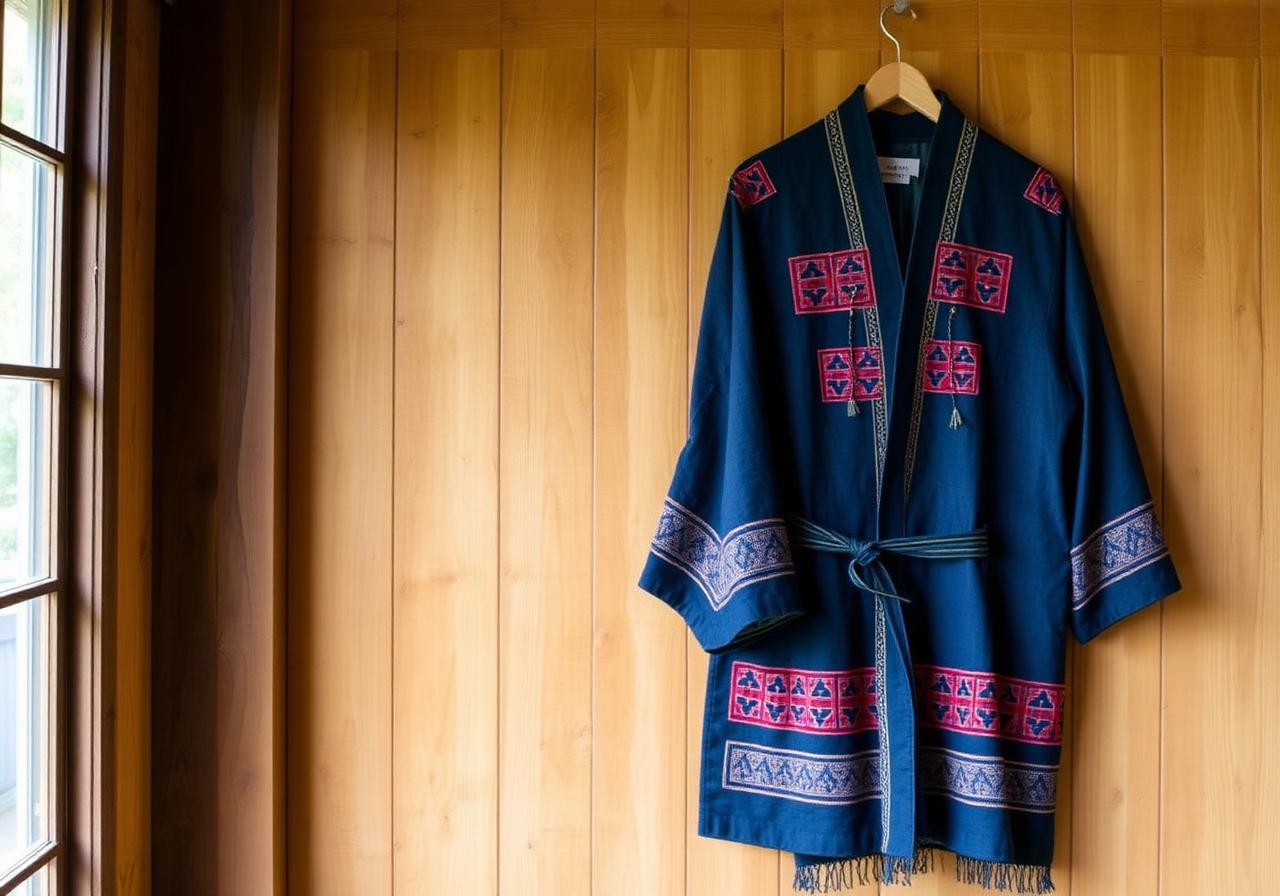
A Quiet Revival on Hokkaido
After more than a century of suppression, Ainu wood and textile traditions are being taught again — in schools, museums, and home looms across the north.