
Textiles & Weaving
Harris Tweed: The Island That Weaves Itself
On the Outer Hebrides, the only fabric in the world protected by an Act of Parliament is still woven on pedal looms in croft sheds. We spent a week with the weavers of Lewis.

The road to Donald John Mackay's shed runs out before the shed does. Past the last cattle grid on Luskentyre beach, where the Atlantic comes in the colour of bottle glass, you turn left up a track and stop when the sheep stop moving. The shed is the size of a small garage. Inside, the Hattersley pedal loom is in full thunder, and Donald John, 68, is feeding selvedge with the patience of a man who has had nowhere else to be since 1973.
Harris Tweed is the only cloth in the world protected by its own Act of Parliament. The Harris Tweed Act of 1993 specifies, in language that would not be out of place in a Victorian patent, that the cloth must be made from pure virgin wool, dyed and spun in the Outer Hebrides, and hand-woven by the islanders at their homes in the Outer Hebrides. Anything else — and there have been attempts — is not Harris Tweed. There is an Orb mark, applied by a roving inspector with a hand stamp, and a piece without the Orb is, legally, just nice wool.
What the Act protects is something stranger than a brand. The cloth carries the weather of the islands. Donald John's tweed is mossier and bluer than the tweed coming off the loom of Rebecca Hutton, twenty minutes away in Northton, whose work is browner and more peat-coloured. The difference is partly dye choice and partly, both weavers insist, the light they have been looking at since childhood.
There are roughly 180 active Harris Tweed weavers on the islands today, almost all working from home. The cloth has gone through three near-extinctions in the last sixty years — once in the 1960s, when synthetic fabrics nearly killed it, once in 2006 when an American owner tried to pivot the mill into mass-market polyester blend, and once in the 2010s when the average weaver age crept above sixty and nobody was learning.
What saved it, the third time, was a millimeter-thin generation of younger weavers — twenties and thirties — who saw the cloth on a Nike sneaker collaboration in 2004 and realized that this was, in fact, the textile their grandmothers had been making the whole time. The mills in Shawbost and Carloway began running double shifts. Chanel sent a buyer.
I sit with Rebecca for a morning. She trained as a journalist in Glasgow, came back to the islands at 29, and now weaves six metres a day on a Bonas-Griffith double-width loom. She earns slightly less than a Glasgow journalist. She is happier. "I am paid by the metre," she tells me. "And the sea is right there."
On the way back, Donald John insists on showing me the dye shed, which is older than the house. The yarn drying outside is the colour of the moor in October — that bruised, generous purple-brown that you cannot buy and cannot fake. "You cannot weave the islands," he says, half-joking. "The islands weave you."
The Orb stamp comes down on the cloth at the end of the week. Three hard taps. The tweed is now legally itself.
Keep reading
 Textiles & Weaving
Pag, Croatia
The Shepherds of Pag and the Lace That Won UNESCO
On a windswept Croatian island where almost nothing grows, women have been making a lace so fine it was once used as currency. UNESCO listed it in 2009. The waiting list is now three years long.
 Textiles & Weaving
Sacatepéquez, Guatemala
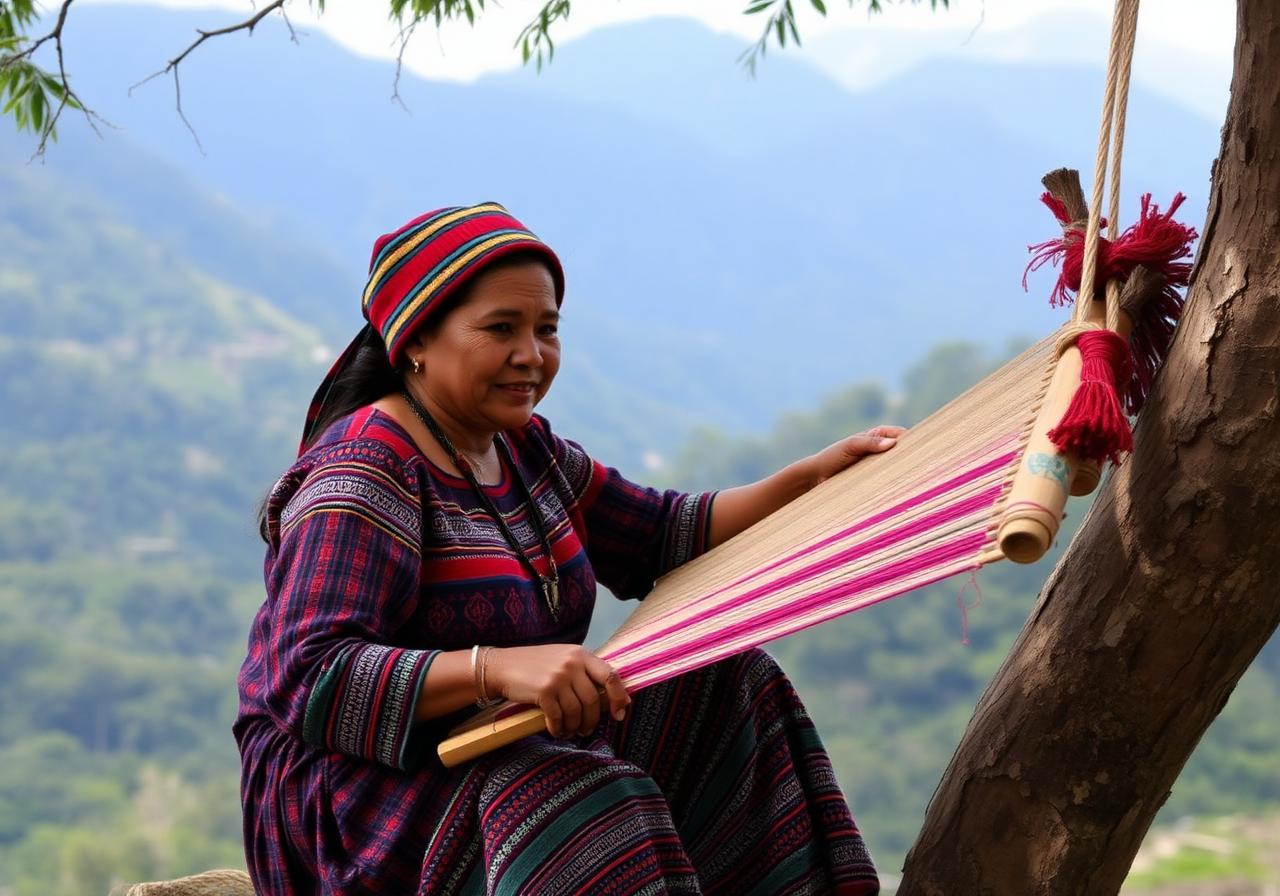
Threads of Heritage: Mayan Backstrap Weaving in Guatemala
In the Guatemalan highlands, Mayan backstrap weavers turn cotton into cosmology — and into a quiet political act of refusing to disappear.
 Textiles & Weaving
Nibutani, Hokkaido
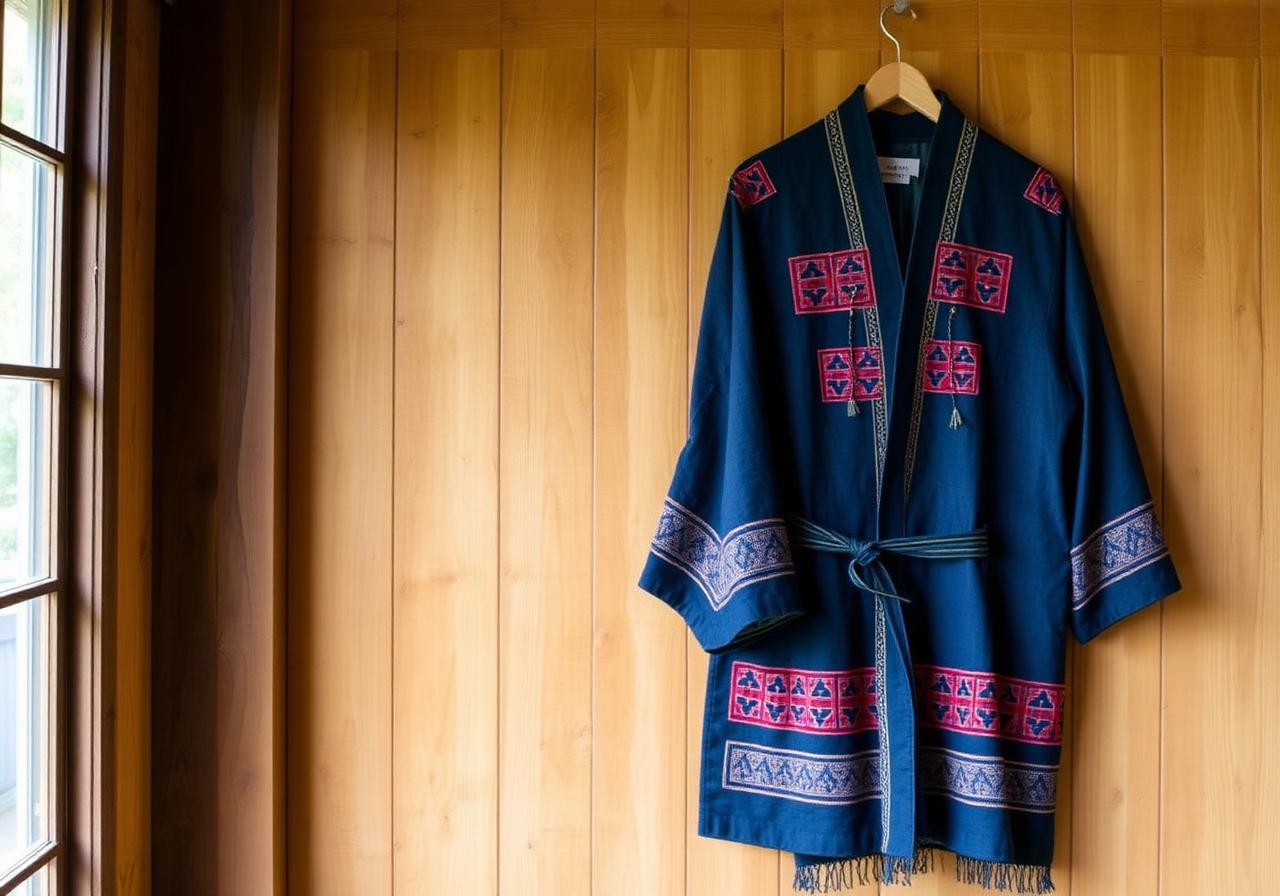
A Quiet Revival on Hokkaido
After more than a century of suppression, Ainu wood and textile traditions are being taught again — in schools, museums, and home looms across the north.